Service Offerings
When we manage properties across New Hampshire, roofing issues show up. They show up after storms, they show up during regular inspections, and they show up because a building has simply aged. Understanding what services are actually available—and what each one costs in time and money—is the foundation of making the right choice for your property. We evaluated our contractor partners on the scope and quality of services they offer, because proprietary, add-on pricing and gatekeeping damage the relationship between property manager and contractor. The roofing work we recommend comes with transparent service categories, clear pricing, and no surprises.
Service Categories and Coverage
| Service | Scope of Work | Typical Timeline |
|---|---|---|
| Roof Inspection | Complete visual assessment of condition, damage identification, photography documentation, written report with recommended actions | 1–2 hours on-site |
| Repair | Patch leaks, seal flashing, replace damaged shingles, address weather damage, stop active water entry | 1–3 days depending on scope |
| Partial Replacement | Replace defined section of roof, new shingles or materials, flashing updated to match | 3–5 days |
| Full Replacement | Complete removal of existing roof system, structural check, new underlayment, new shingles or membrane, all flashing, gutters addressed | 5–10 days for residential; longer for commercial |
| Specialized Services | Skylight installation, gutter work, window flashing, snow removal, roof coating application | Varies by service |
All estimates assume normal weather and accessible roof structure. Ice damming, structural issues, or attic access problems may extend timelines. Emergency calls (active leaks after hours) carry premium scheduling. |
||
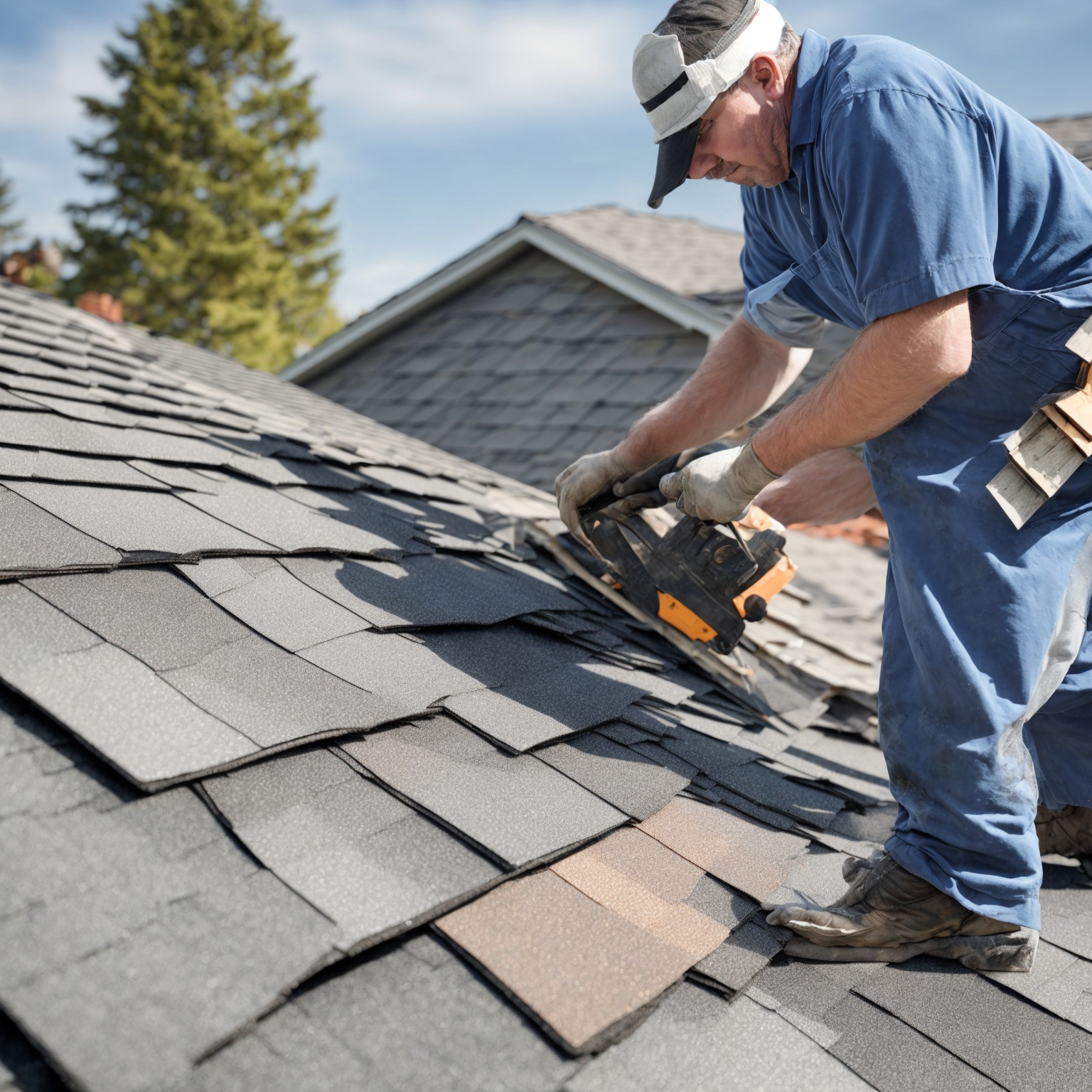
How to Evaluate What You Need
Start with an inspection if you haven't had one in the last three years
A written inspection report tells you the actual condition of your roof—not speculation, not "I think it looks okay," but documented assessment. An inspector walks the roof, identifies wear patterns, checks flashing and gutters, notes missing shingles or sealant failure, and gives you a clear "this will last another X years" or "this needs attention soon" recommendation. For commercial properties or multi-unit residential, this should happen every two years. For single-family rental properties, every three years minimum. The cost of an inspection (typically $150–400) is trivial compared to a surprise $8,000 replacement at 2 AM during a leak.
Repairs make sense only if the roof has 5+ years of life left
A roof that is 18 years old and showing surface wear can be repaired—a patch, new flashing, fresh sealant—but each repair is borrowed time. The shingles themselves are aging. A contractor who keeps selling you repairs on a 20-year-old roof is choosing steady income over your property's long-term interest. Slate Asset Group asks: has this roof earned a replacement, or will the next two or three years of repairs genuinely make sense? If a contractor answers with "it depends," they are thinking about your property, not the service contract.
Full replacement is the right choice when repair costs start stacking
The break-even point varies by material and region, but when you have paid for two or three separate repair jobs in 18 months, a full replacement becomes the economical choice. You stop paying for temporary fixes. You gain a warranty on the new material (usually 15–30 years for shingles). You reset the clock on roof life. For property managers, a full replacement is also the last time you will field calls about that roof system for a decade or more. The capital expense is real, but the operational peace is worth quantifying.
Specialized services often justify themselves through energy efficiency or liability reduction
A skylight that leaks is a repair problem today and a full-roof problem tomorrow because water has been finding paths for months. Gutter work that keeps leaves and standing water off the roof extends the roof's life by years. Roofing choices that meet the efficiency standards described by the EPA's cool roofing guidance can cut peak cooling demand by 11–27%, which is why we ask about reflective materials on every re-roof. Snow removal in New Hampshire is not cosmetic—it is the difference between safe water shedding and ice dam formation that drives water under the shingles.
Ready to Understand Your Property's Roof
We connect property owners and managers with contractors who can tell you what your roof actually needs, not what generates the next service call. If your property is in New Hampshire and you want a straightforward assessment, reach out.
The Key Metrics for Roofing Work
- 15–30
- years of warranty on asphalt shingles after a full replacement
- 5–8
- years of economical life remaining before repairs outpace replacement value
- 1–3
- days typical timeline for a full replacement on a residential property
- 50–70%
- of total property insurance claims tied to weather damage that starts with a roof issue